

The Joint Commission has introduced a multimedia campaign to educate the public on the health risks associated with antibiotic overuse, the group announced Sept. 14.
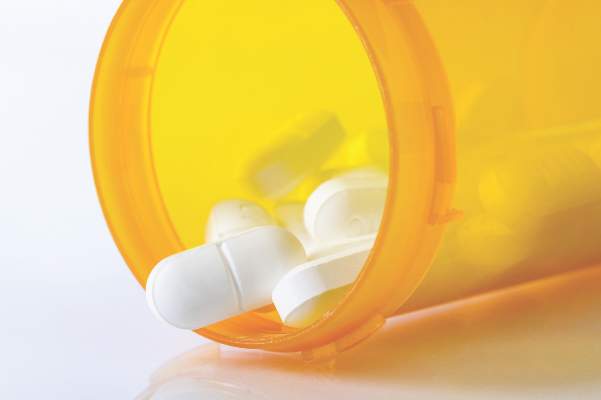 thegoodphoto/Thinkstock
The Speak Up: Antibiotics program aims to educate consumers on appropriate use of antibiotics, and includes resources to help patients determine which illnesses may or may not need antibiotic treatment. The website includes an infographic, podcast, and animated video.
The initiative is part of the Speak Up series, a program that encourages patients to become more active in their medical decisions through self-education and advocacy.
About 2 million people in the United States become infected with antibiotic-resistant bacteria each year, the Joint Commission reported.
“Antibiotics also can kill good bacteria in the body, potentially leading to other problems such as diarrhea or yeast infections,” the organization said in a statement. “As a result, antibiotic overuse has become a critical health and patient safety concern, especially in young children and seniors, who are at higher risk for illness.”
Click here for more information on the Speak Up: Antibiotics campaign.